Illustrative image.
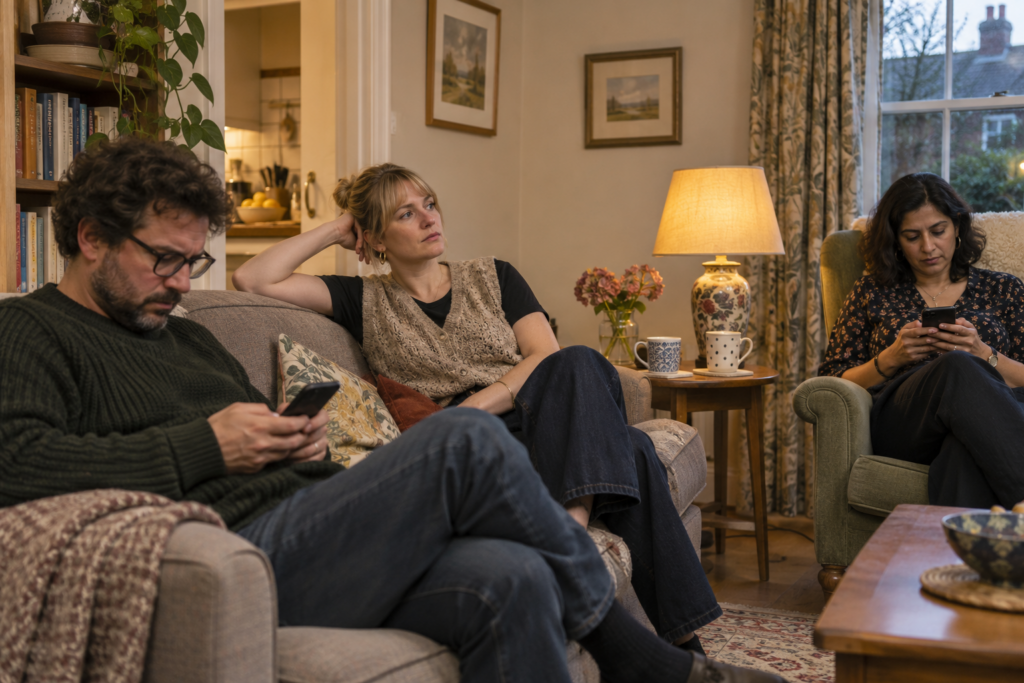
I often notice this when people are sitting together. Someone picks up their phone to reply to a message. A few minutes later, most of us are looking at our screens. The room is quiet, but the group chats are busy.
I use WhatsApp too. It’s how I keep in touch with people, and I enjoy a bit of banter in a group chat. But I’ve seen how easily one discussion turns into another. Someone new joins in, an old disagreement starts up again, and you’re still checking your phone long after you meant to put it down. Sometimes I wonder whether I’d have given that conversation half as much time if it had happened face to face.
What happens to the conversation in the room?
There’s a difference between replying to something that needs your attention and checking every time a message comes in. The trouble is that both begin with the same tiny movement. You pick up the phone. Once it’s in your hand, there’s always something else to look at.
Think about the last time you were halfway through telling someone a story and they looked down at their phone. You might carry on talking. You might shorten the story and leave out the bit you really wanted to share. A lot of conversation happens in those little pauses where someone asks a follow-up question. Once everyone starts looking at their screens, those questions are easier to miss.
Group chats can take up time in a different way. An argument can keep drawing you back long after you’ve lost interest in the subject. You want to see how someone replied, then you feel you ought to make one last point. The chat will probably still be there tomorrow. The evening you were spending with someone is harder to get back.
“The chat will probably still be there tomorrow. The evening you were spending with someone is harder to get back.”
One more video before bed
Illustrative image“I’m more interested in the time you only realise you spent when you put the phone down and look at the clock.”
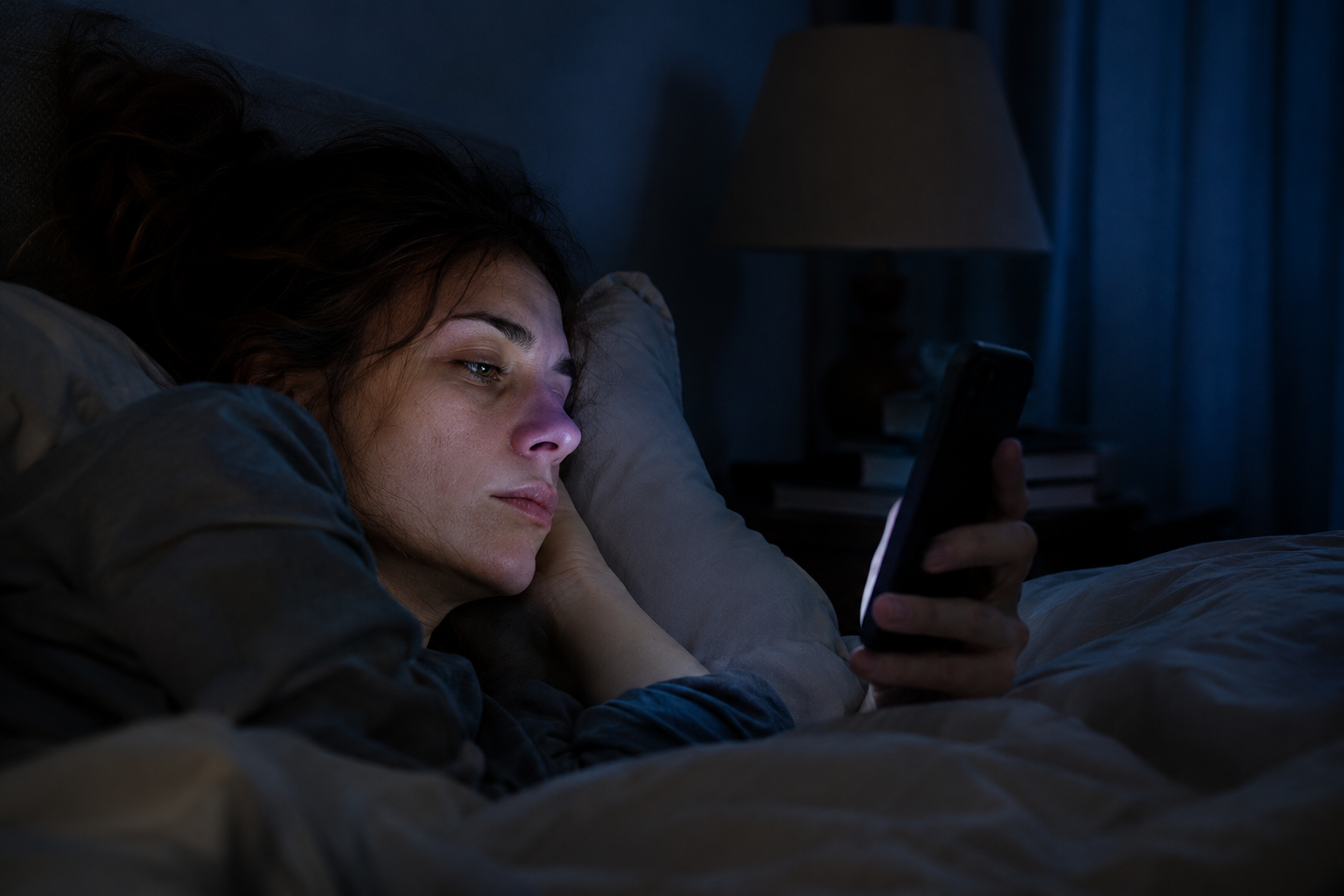
I’ve seen people close to me get into bed intending to relax, then spend hours watching TikTok. Sometimes it’s clips. Sometimes it’s a livestream where a few people are talking and viewers are joining in. A live conversation can feel harder to leave because something might happen the moment you go.
TikTok says its recommendations take account of what people watch, skip and spend time on. Viewers can also buy Coins and use them to send virtual Gifts during eligible livestreams. Some creators can collect Diamonds from Gifts they receive. If you’re watching, it’s worth noticing what keeps you there. Are you enjoying the stream, waiting to see how a disagreement ends, or spending money you hadn’t planned to spend? How TikTok recommends content · How TikTok Gifts work · TikTok’s explanation of Diamonds
Thirty minutes every evening adds up to three and a half hours a week. You might happily choose to spend some of that time on videos. I’m more interested in the time you only realise you spent when you put the phone down and look at the clock.
What your body notices
If you went to bed at eleven and stayed on the phone until midnight, you’ve already lost an hour you meant to spend resting. The NHS also advises avoiding devices such as smartphones right before bed. If you want to see whether bedtime scrolling makes a difference for you, try keeping the feed out of bed for a week and see when you actually put the light out. NHS advice on sleep habits
Long spells looking at a screen can leave your eyes dry or tired. And when you’ve spent an hour looking down or lying with your neck at an awkward angle, you may notice the discomfort when you finally move. Put the phone down for a break and change position. Digital eye strain guidance · NHS guidance on neck pain
There’s also the question of phone radiation. Phones use non-ionising radio waves to communicate. Research has not established ordinary mobile phone use as a cause of cancer. The effects I’d look at first after a long scroll are the ones you can observe yourself, such as a later bedtime or eyes that feel tired. Cancer Research UK on mobile phones
Where to find your screen-time report
Start by looking at which apps take up time you hadn’t planned to spend. A long WhatsApp call with someone you miss and forty minutes of checking replies to an argument can both show up under the same app. Only you know what that time was worth to you.
iPhone
- Settings
- Screen Time
- App & Website ActivityDepending on your iOS version, look under Screen Time Schedule, Time Allowances or Manage Screen Time.
- Turn On App & Website ActivityIf it’s already on, open the activity report to see usage by app.
Android
- Settings
- Digital WellbeingOn some phones it appears as Digital Wellbeing & parental controls.
- Follow any first-time setup prompts
- Tap the usage chartOpen an app in the report to see time spent on it.
Illustrative image“Some evenings I think the best thing to get back is simply a bit of rest.”
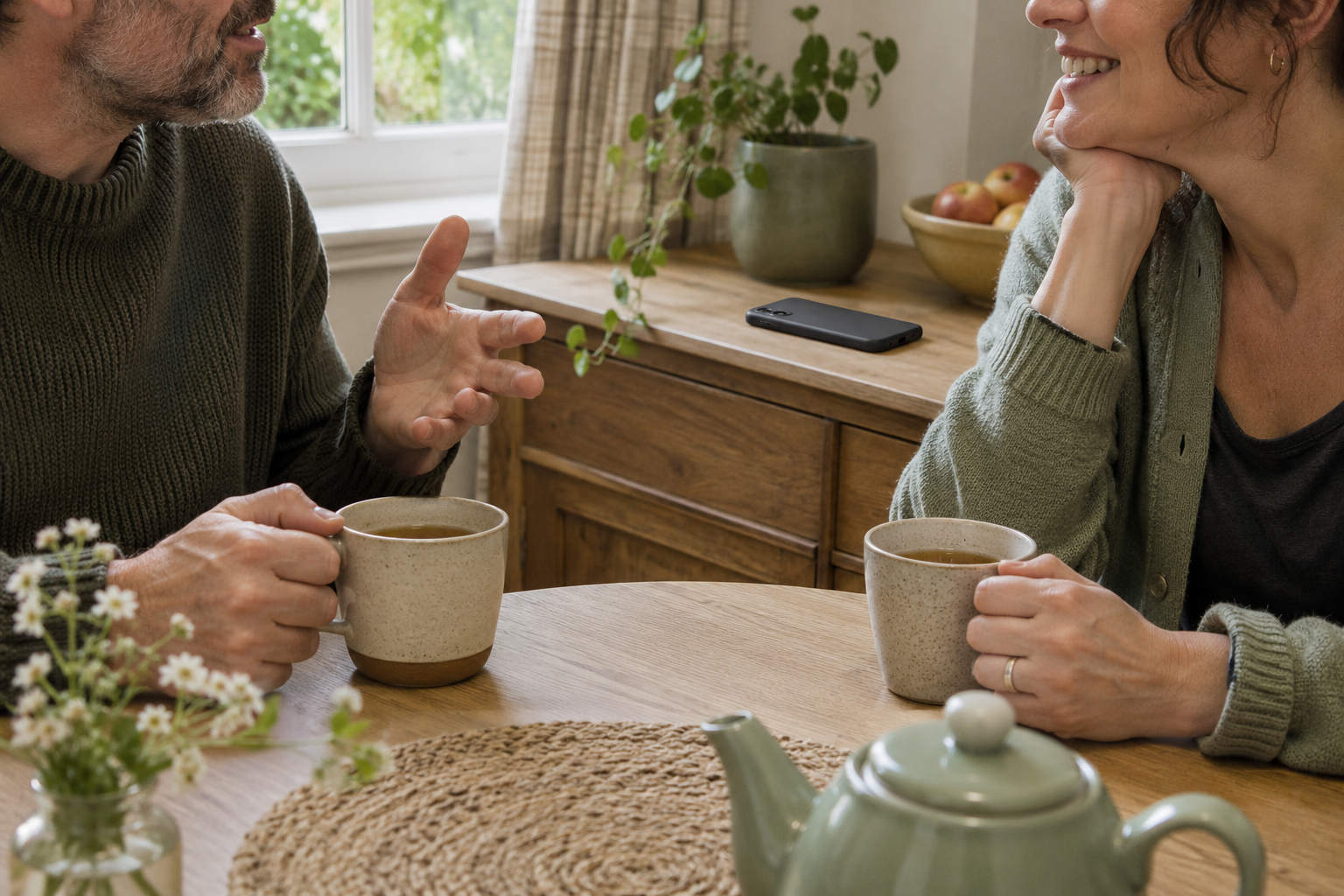
There’s a lot you could do with the time you get back. You could go for a walk, ring someone you’ve been meaning to speak to, or just sit quietly for a while. Some evenings I think the best thing to get back is simply a bit of rest.
Leave a Reply